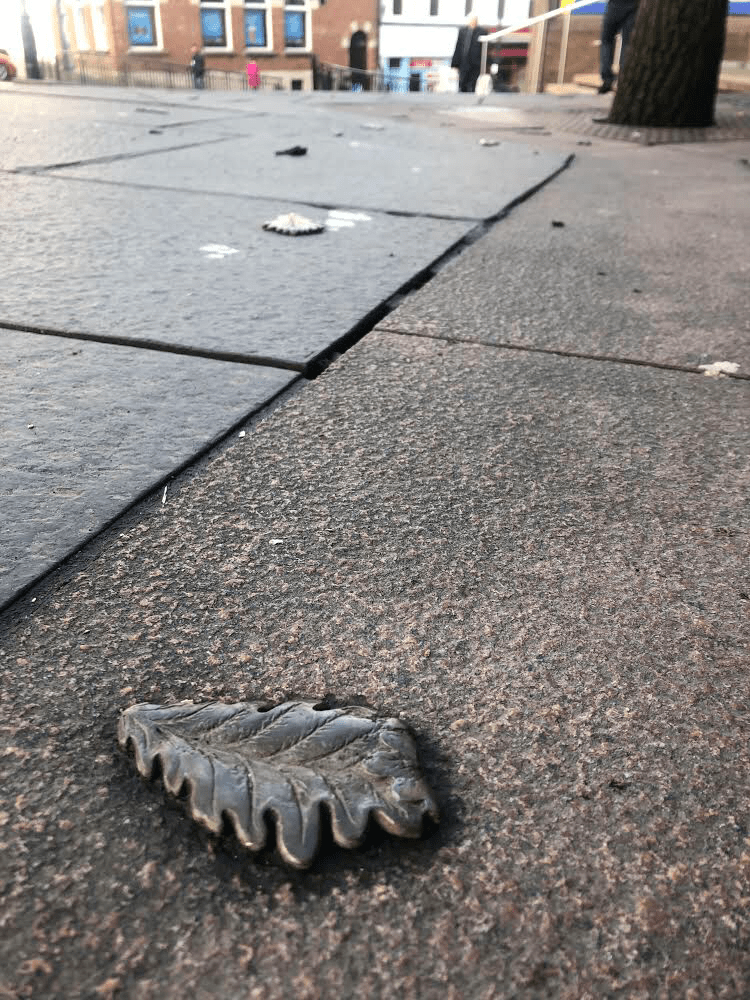
Paul Coeltho once said, “Fortunate are those who take the first steps.” This quote couldn’t be truer for the people of Derry. Besides the marvelous peace bridge, the stone Derry wall, and the murals that showcase the troubling history of the town, the earlier times of the city is ingrained further in even the sidewalks we stroll along every day. In a place constantly under tensions from past conflict in the city such as the Siege of Derry and Bloody Sunday, a sense of identity and personal history can be seen right under our feet.
When Derry was first founded, the town was called ‘Doire’ which I have discovered is an Irish term for Oak Grove.(http://irishwalledtownsnetwork.ie/page/derry/derry-info) It was named that after the large oak trees that encompassed Derry and most of Ireland at the time of the settlement in 546AD. This settlement was a simple monastery that lied at the top of the highest peak in Derry. In 1613, a large Protestant plantation occurred in order to establish Protestants as the majority religion and therefore ruler in this part of the country. (http://www.bbc.co.uk/history/british/plantation/) The town was subsequently named Londonderry to accurately reflect the Protestant rule of the time and remains the official name to this day. Since then, history reflects the ever present battle that has been occurring in Derry between the Protestant Unionist Loyalist’s and the Catholic Nationalist Republican’s; the town’s two competing political and religious parties. Derry has bounced between these two powers for centuries and while the town is now almost 90% Catholic, the citizens have not forgotten the long and quite bloody struggle that had occurred here.
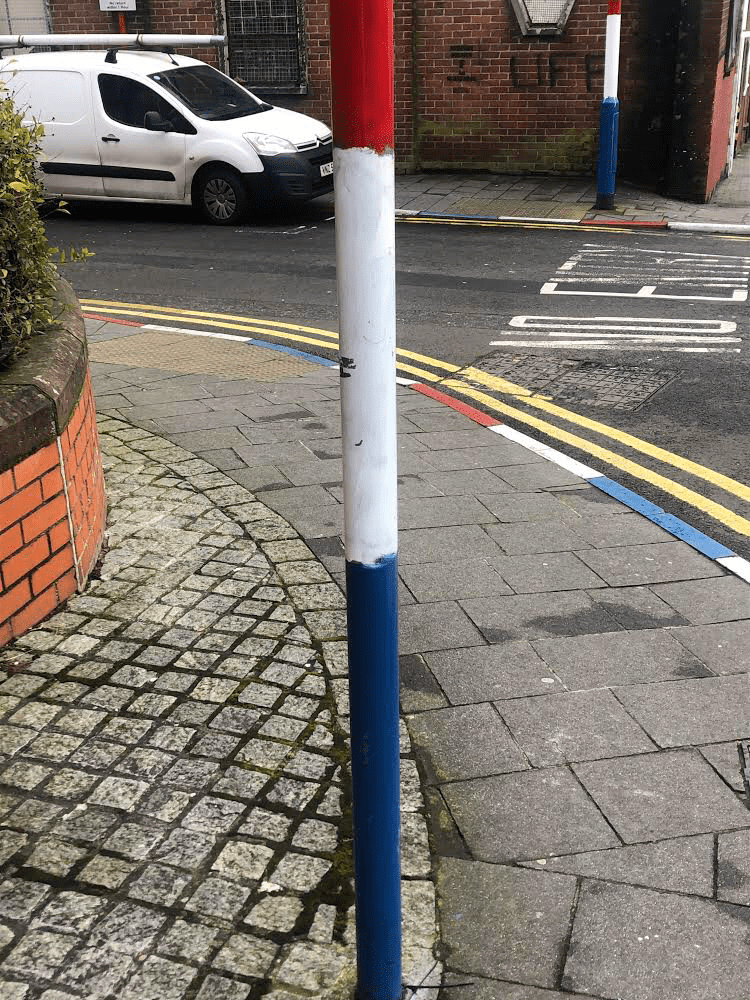
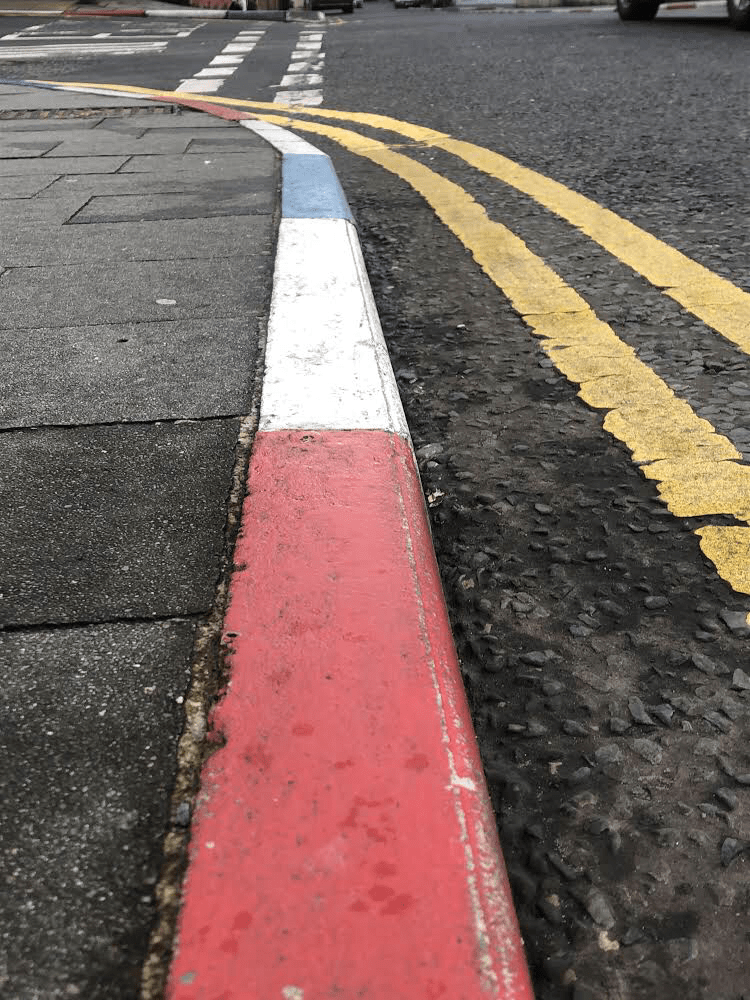
While most guides may gear you toward looking at the town’s marvelous murals, the peace bridge, and the famous Derry wall, I implore you to simply look down. Traces of the town’s history and boundary lines can be seen under ones feet. Small brass oak leaves lie implanted in the pavement around the city, they frequent the ground under oak trees and benches, giving tribute to the founding of Derry. Right outside the city walls, street corners and stop signs are painted in the famous red, white, and blue, marking the territory as a Unionist territory. Further showing who is and who is not welcome here. While it’s easy to see community partnerships occurring in Derry, there is still a lot to be done. All we can do now is take one step at a time.
 SOCI 387 Diversity, Conflict, and Peace in Northern Ireland