It’s easy to make the argument that we will never be able to attain a state of peace in the world. That there will always be war, violence, death, and everything in between. But, peace isn’t just about stopping a war or holding back on using violence. Peace is a collective state of mind that respects people, human rights, and balance in all levels of society. It’s about sharing stories, ideas, and supporting one another (no matter what side you’re on.) But when we have an absence of harmony, an absence of respect, what do we do? Who do we turn to? How do we build from the ground up and start speaking our own truths? This is where people like Roger McCallum come in.
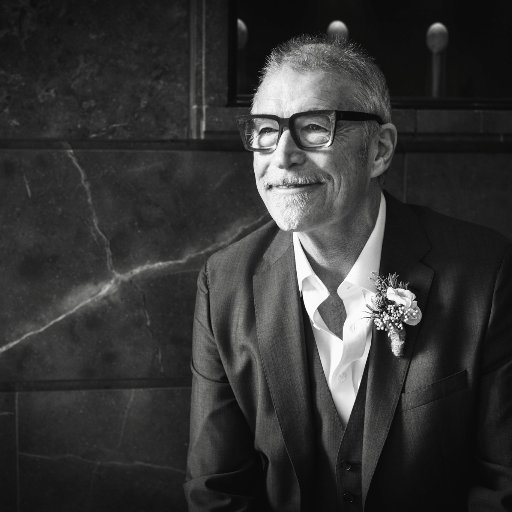
Roger grew up in East Belfast, in a very heavily Protestant area. He went to Protestant schools and had Protestant neighbors and while he had no quarrels with Catholic people at the time, he was aware “of a difference between the North and South” and saw “the border as a dividing line.” In 1976, he joined the Royal Ulster Constabulary (RUC) and was quickly promoted a few years later in 1979. By the 1990’s, Roger continued to rise up to Chief Inspector and later witnessed the change of the RUC to the Police Service of Northern Ireland (PSNI) in 2001. In 2005, Roger began involving himself in more and more peace building initiatives and joined the group Healing through Remembering, a cross community group of people that examined ways to address the past and ultimately establish a more peaceful cooperative future throughout Northern Ireland.
“We have more in common than divides us.”
Since the early 2000’s, Roger has taken a role as a peace builder, not only in his own backyard, but globally. Roger received his Masters degree at Queens University in Human Rights and Criminal Justice which has aided him in the important work that he does now in looking to establish a more peaceful and harmonious society. He feels that in order to move forward as a society “it’s all about telling our stories and listening to the stories of others.” While there is less violence than there was before, Roger argues that we are in a state of negative peace. Specifically, we focus more on giving praise to the “relative absence of violence rather than continually building positive achievements.” In order to ultimately move forward from all the trauma and violence that has occurred in Northern Ireland, we need to shine light on the steps forward that we are taking rather than the puddles we dipped our feet into before.
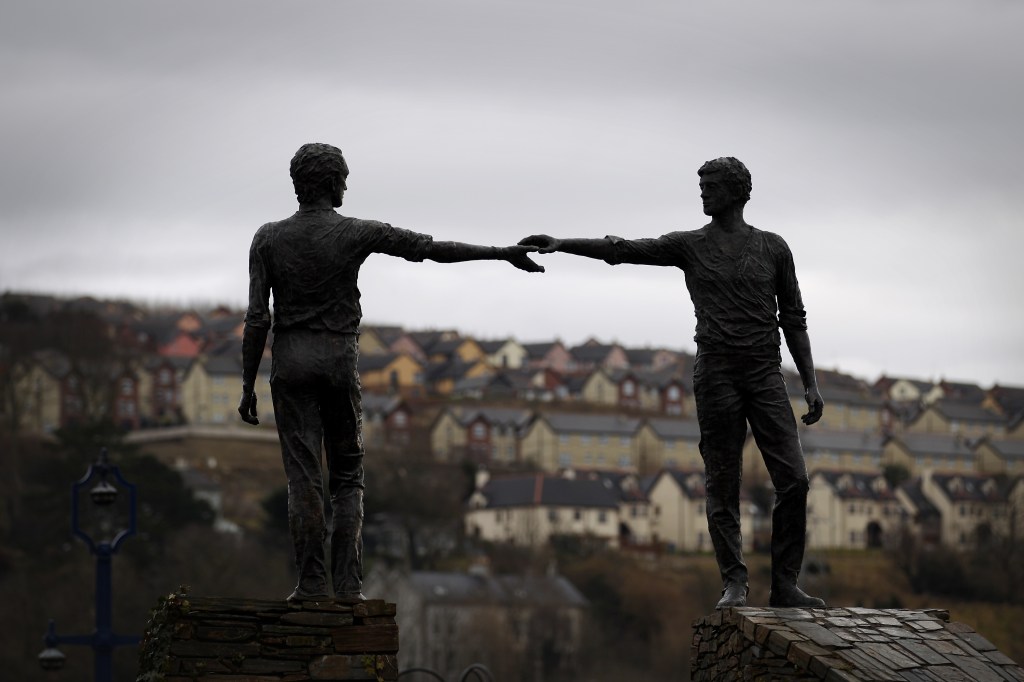
With people like Roger, advocating for societal and global peace everyday, we can only hope that in the future the divided society we live in now will be just a rough stepping stone in our past.
 SOCI 387 Diversity, Conflict, and Peace in Northern Ireland